January 13, 2026
A roof plays a critical role in protecting a property from weather, moisture, and structural stress, yet many warning signs of trouble develop gradually. Homeowners and property managers often overlook subtle changes until they become larger concerns. Knowing when to seek help from experienced roofers can prevent prolonged exposure to damage and reduce long-term risks. Paying attention to visible, audible, and environmental clues allows issues to be addressed before they disrupt daily life or compromise safety. Seasonal changes, fluctuating temperatures, and prolonged exposure to sunlight can all accelerate wear in ways that are not immediately obvious without careful observation. Even minor issues, if left unattended, can evolve into significant repairs that impact the overall integrity of a property. Professional roofers provide insight not only into visible damage but also into potential underlying problems that could worsen over time, giving property owners a clearer picture of necessary maintenance or repairs.
Visible Shingle Damage
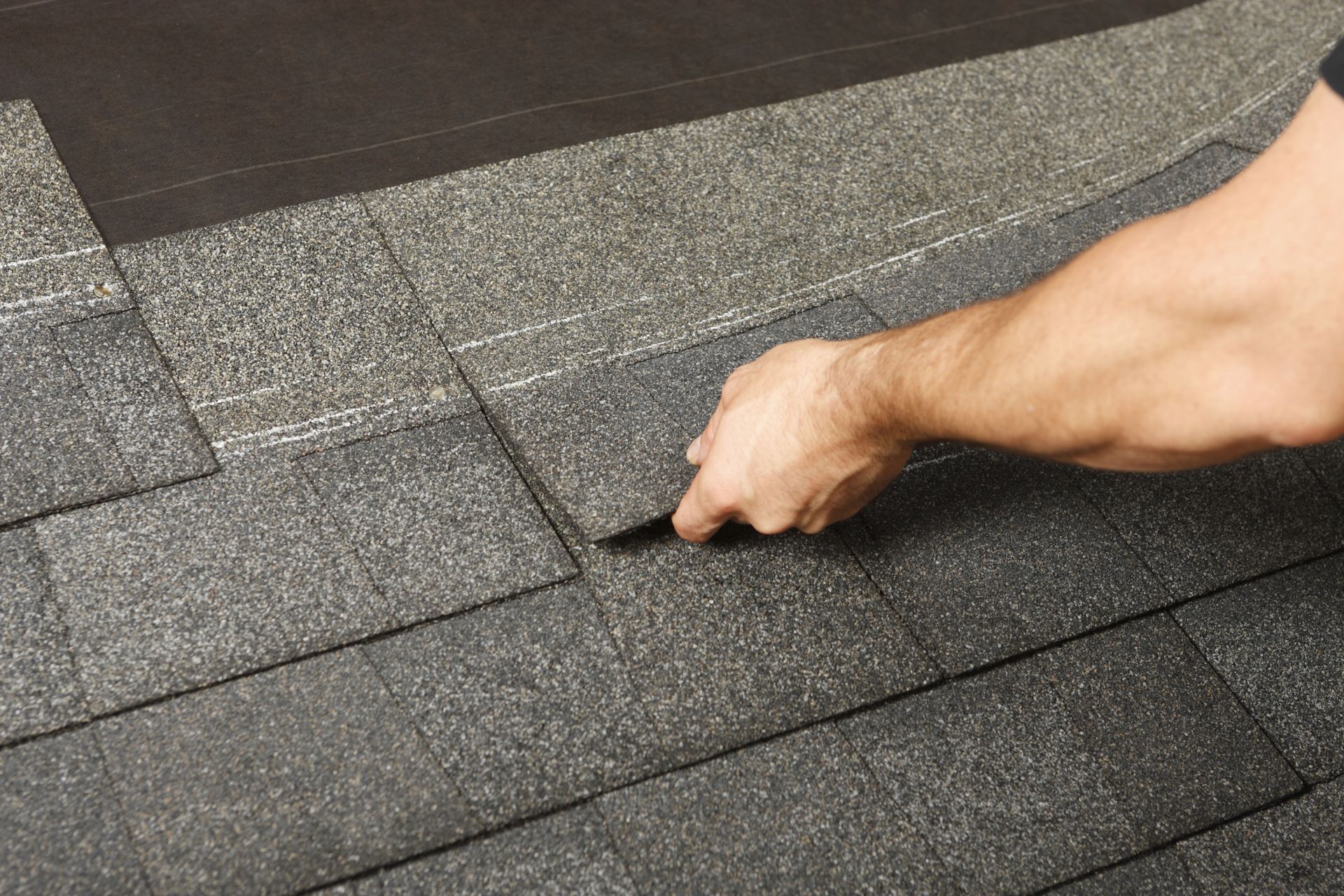
Shingles are designed to act as a protective barrier, and visible damage is often one of the earliest indicators that a roof requires attention. Curling edges, cracked surfaces, or missing sections can leave underlying materials exposed to moisture. Over time, this exposure may lead to leaks or structural deterioration. Roofers are trained to evaluate whether damage is isolated or part of a broader pattern that suggests aging materials or weather-related stress. Addressing these signs early helps prevent progressive damage to adjacent areas of the roof system. Even small gaps or broken shingles can compromise the roof's protective function, especially during heavy rainfall or snow accumulation. Timely intervention ensures the roof continues to perform its essential protective role and can prevent more costly repairs in the future.
Persistent Roof Leaks
Water intrusion is a clear signal that a roofing system may no longer be functioning as intended. Leaks that reappear after rainfall or snowmelt can indicate compromised flashing, worn materials, or drainage issues. Even small leaks can spread moisture into insulation and framing. Consulting roofers helps identify the source of the problem and determine whether repairs or more extensive work is necessary to prevent further damage. Left unresolved, recurring leaks may contribute to structural weakening over time. Professional evaluation can also ensure that hidden leaks in areas like valleys, skylights, or roof joints are properly addressed. Early detection helps protect both the roof and interior living spaces and can prevent mold growth that affects indoor air quality.
Stains on Ceilings or Walls
Discoloration on interior ceilings or walls often points to moisture entering the structure from above. These stains may appear far from the actual entry point, making diagnosis more complex. Left unaddressed, moisture can weaken building materials and create unhealthy indoor conditions. Roofers use systematic inspection methods to trace water paths and evaluate the extent of the issue without guesswork. Early evaluation helps reduce the risk of widespread interior damage. Additionally, moisture stains can serve as an early indicator of compromised attic ventilation or insulation issues, which roofers are trained to identify and remedy. Timely assessment also reduces the risk of expensive repairs to ceilings, drywall, and interior finishes.
Roofline Sags
A roofline that appears uneven or sagging may indicate underlying structural stress. This can result from prolonged moisture exposure, excess weight, or aging support components. Sagging areas should never be ignored, as they may worsen over time and pose safety concerns. Roofers assess both surface materials and supporting structures to determine the cause and recommend appropriate next steps. Monitoring changes in roofline shape over time can provide valuable insight into developing issues. Structural reinforcement or partial replacement may be necessary to ensure long-term stability and safety for occupants. Addressing these concerns early helps prevent potential collapse or damage during extreme weather conditions.
Granules Accumulating in Gutters
As roofing materials age, protective granules may loosen and collect in gutters or at ground level. While some granule loss is expected over time, excessive accumulation can signal material breakdown. This loss reduces a roof’s ability to withstand sunlight and weather exposure. Roofers can evaluate whether granule shedding reflects normal wear or indicates the need for professional attention. Consistent buildup often suggests reduced surface protection. Identifying excessive granule loss early helps prevent accelerated deterioration and preserves the roof's functional lifespan. Roofers can also recommend adjustments to drainage systems to handle future granule accumulation, preventing water overflow and potential foundation damage.
Increase in Energy Bills
Unexpected increases in heating or cooling costs may be linked to roofing issues. A compromised roof can allow air to escape, forcing climate systems to work harder. Poor ventilation or insulation problems may also contribute to inefficiency. Roofers are equipped to assess how roofing conditions affect energy performance and identify areas where improvements may restore efficiency. Energy loss through the roof can place ongoing strain on building systems. Addressing these issues promptly may improve comfort while lowering operational expenses over time. Roofers can help determine whether insulation upgrades or ventilation improvements are needed to maximize efficiency, contributing to long-term savings.
Storm-Related Wear and Tear
Severe weather events can accelerate roof deterioration, even when damage is not immediately visible. High winds, heavy rain, and hail may loosen materials or weaken seals. Following major storms, roofers often recommend evaluations to identify hidden issues before they develop into leaks or structural problems. Repeated exposure to severe weather can compound damage over time if left unaddressed. Routine post-storm inspections by professionals ensure that small issues do not escalate into extensive repairs or safety hazards. These inspections provide a proactive approach to preserving roof integrity and maintaining property value over time.
Mold or Moisture Odors
Persistent musty odors inside a building may indicate trapped moisture within roofing components or attic spaces. Moist environments can affect indoor air quality and lead to material decay. Because the source of moisture is not always obvious, roofers play an important role in identifying ventilation or drainage concerns that contribute to these conditions. Early detection helps limit the spread of moisture-related issues. Addressing these problems promptly also helps prevent secondary issues like mold growth, wood rot, and insulation deterioration. Roofers ensure that moisture sources are fully corrected, reducing the risk of recurrence and protecting occupant health.
Age of Roofing Materials
All roofing materials have a finite lifespan, and aging components may no longer perform reliably. Even without visible damage, older roofs are more susceptible to leaks and weather-related wear. Roofers evaluate material condition in the context of age, exposure, and performance history. According to This Old House, the roofing contractors industry in the U.S. will reach $76.4 billion in revenue in 2025, reflecting increased demand for professional evaluations as buildings age. This growth highlights the importance of timely assessments. Aging materials may appear intact on the surface, but hidden weaknesses often exist in flashing, seals, and underlayment layers. Regular inspections by roofers can prevent these hidden weaknesses from becoming major problems and can help extend the overall lifespan of the roof.
Frequent Minor Repairs
Repeated small repairs can signal that a roofing system is nearing the end of its functional life. When issues arise regularly, addressing them individually may become less effective over time. Roofers consider repair history alongside current conditions to help property owners understand whether ongoing maintenance remains sustainable. Patterns of recurring issues often indicate deeper concerns within the roofing system. Professional guidance can help determine whether it is more efficient to consolidate repairs or plan for comprehensive restoration to ensure lasting protection. Properly planned repairs help maintain structural integrity and avoid repeated interruptions, saving both time and money in the long term.
In conclusion, recognizing the signs that a roof may need professional attention is essential for protecting both property and occupants. From visible wear to subtle performance changes, early awareness allows issues to be addressed before they escalate. Relying on informed evaluations supports long-term durability, safety, and peace of mind. Timely intervention by qualified roofers can minimize unexpected costs and prevent damage that may compromise both the roof and the building’s structure.
If you have concerns about your roof’s condition, Sanchez Contracting can provide guidance and professional insight to help you take the next step with confidence.